
How to Wrap Your Hands for Boxing
A step-by-step guide to wrapping your hands for boxing, from a Ballard boxing gym that teaches it to beginners every week. What wraps to buy, why wrapping matters, and the exact wrap we teach.
June 15, 2026 · By BBBC Coaching Staff
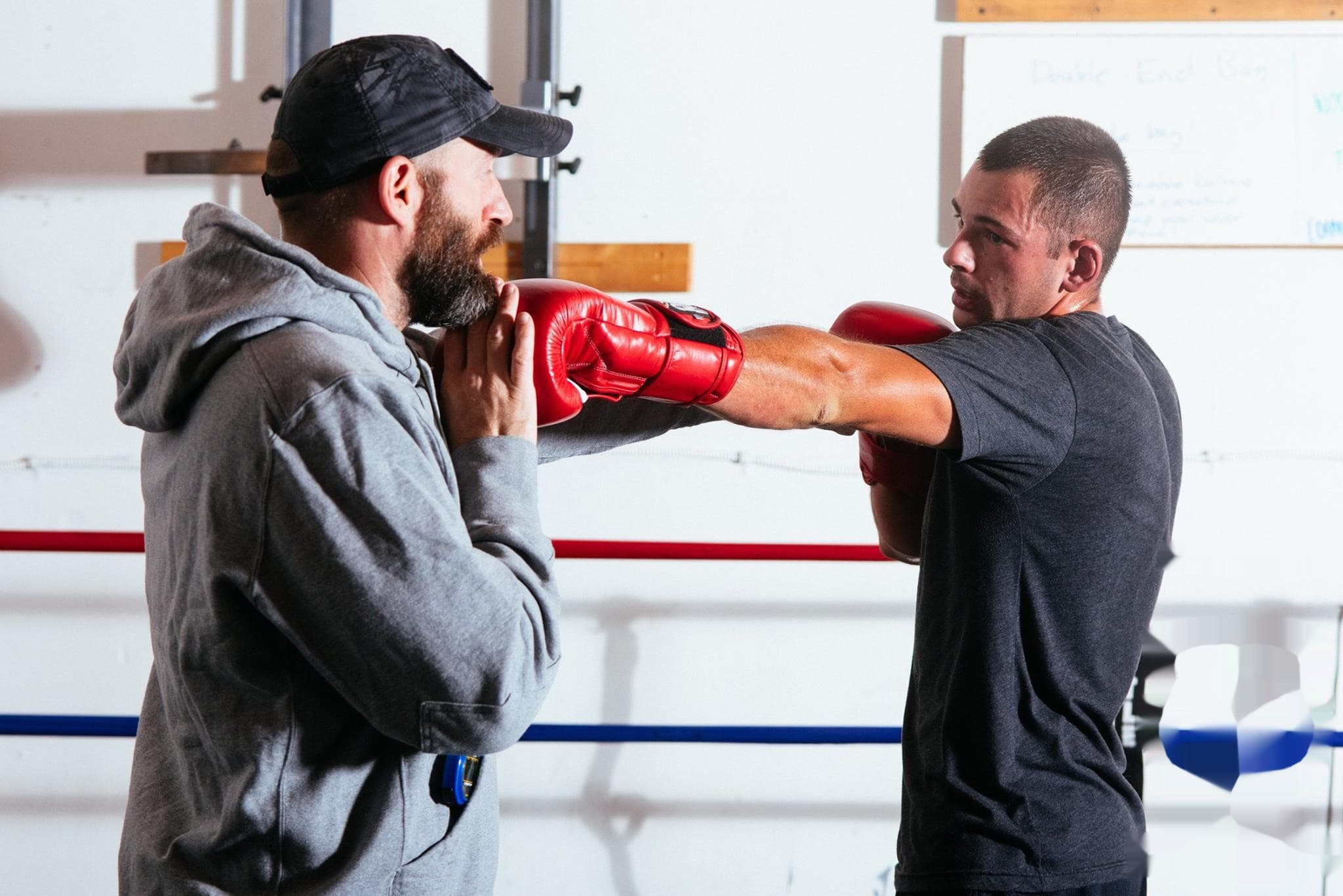
Wrapping your hands is the first thing you learn at a boxing gym, and the first thing most people get slightly wrong. The good news is that a wrap doesn't have to be perfect to do its job. It has to be snug, even, and cover the parts of your hand that take the impact. This guide walks through the wrap we teach at the gym, the one a coach will check on your first day.
Prefer to watch? These are the same two demonstrations that used to live on our old site:
The written version below covers the same wrap, step for step.
Why you wrap at all
Your hand is a stack of small bones held together by soft tissue. When you hit a bag or pads, the force travels back through your knuckles, across the small bones of the hand, and into the wrist. A wrap pulls those bones into a tighter unit and braces the wrist so it stays straight on impact. It also gives your gloves something clean to sit against, which matters more than you'd think after a few months of sweat.
A wrap is not padding. Padding is the glove's job. The wrap is structure. People who skip wraps to save two minutes are the same people nursing a sore wrist three weeks later.
What to buy
Get a pair of cotton or semi-elastic wraps, 180 inches long. The 120-inch "junior" wraps are too short for an adult hand once you learn a full wrap. Semi-elastic is the most forgiving for beginners because it moulds to your hand without going slack. Mexican-style wraps, the slightly stretchy ones, are a popular first pair.
Avoid the slip-on gel "quick wraps" as your only option. They're fine in a pinch but they don't brace the wrist, and learning the real wrap is a skill worth owning.
The wrap, step by step
Keep your fingers spread the whole time. A wrap put on with a relaxed hand goes tight and uncomfortable the moment you make a fist.
-
Hook the thumb loop over your thumb, wrap-side facing down against the back of your hand. Bring the wrap across the back of the hand, not the palm. This anchors everything that follows.
-
Go around the wrist three times. This is your foundation. Snug, not strangling: you want a finger's worth of give, no more.
-
Bring the wrap up to the base of your thumb, then around the knuckles three times. Keep these passes flat and stacked so they sit across the meat of the knuckles where you'll land punches.
-
Come back down to the wrist with one pass, then up between the fingers. Go between the pinky and ring finger, down and around the wrist, back up between the ring and middle finger, and so on. Two or three of these X-passes lock the knuckles to the wrist and stop the wrap from sliding.
-
Wrap the thumb once, then bring the wrap back across the back of the hand and lock the thumb to the wrist with a pass. A loose thumb is how thumbs get sprained.
-
Use whatever length is left to finish around the knuckles and the wrist, ending at the wrist where the velcro can fasten flat.
Make a fist. It should feel like the hand is one solid block, with the wrist firm and the knuckles padded. Open your hand and the wrap should not bite. If it does, you wrapped with a closed hand or pulled the wrist passes too tight. Unroll and go again. Everyone re-does their first few.
How tight is too tight
Tingling fingers, a throbbing pulse in the hand, or a wrap you're desperate to rip off after one round: too tight. A wrap that slides loose and bunches inside the glove: too loose. The target is the boring middle, secure when you make a fist, comfortable when you don't. Your hands swell a little as you train, so err slightly looser than feels right standing still.
Caring for your wraps
Wash them. Sweat-soaked wraps that live balled up in a gym bag are how a gym bag starts to smell like a gym bag. Put them in a delicates bag so they don't tangle, wash cold, and air dry. Two pairs in rotation means you always have a clean set.
Come get it checked
Reading a wrap and feeling one are different things. If you're local, your first class at Ballard Barbell and Boxing Club is free, and a coach will wrap your hands with you and check it before you touch a bag. Bring wraps if you have them; we have loaners if you don't.
Your first class
is always free.
Show up, train, decide for yourself. No commitment, no follow-up sales pressure.
Reserve Your Free Class